
Picture this: you’re sitting in a Danfo or stuck in Lagos traffic on the Third Mainland Bridge. Look around you. Almost every single person is staring into a smartphone screen. Technically, everyone is in the same space, but mentally, everyone is somewhere else—rapidly swiping through feeds, skimming headlines, and tuning out 90% of what pops up.
The digital space works the exact same way.
For years, the go-to metric in digital marketing was simple: Reach. How many impressions can you buy? How many timelines can you flood? But today, reach has hit a wall.
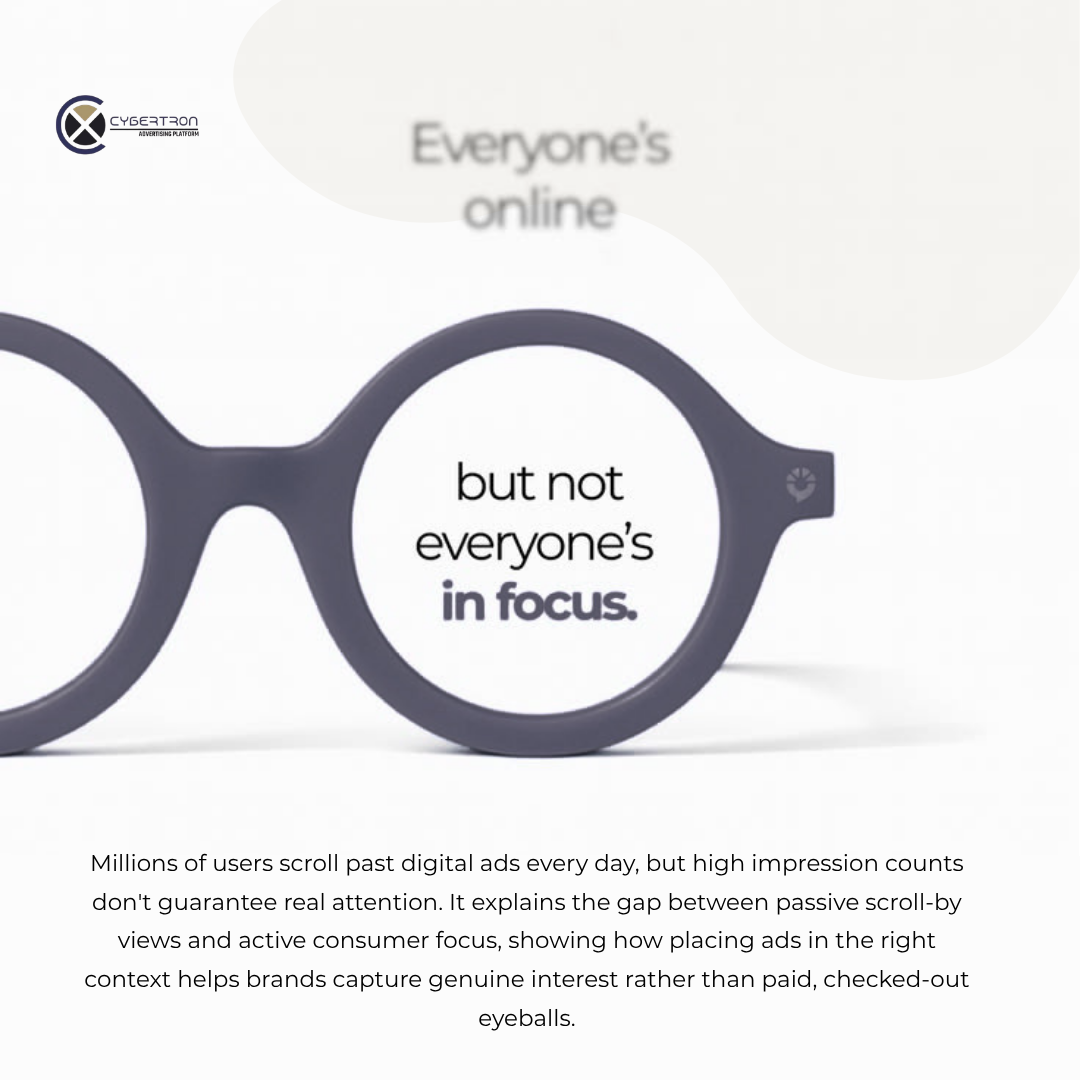
Everyone is online. Millions of users scroll through thousands of ads daily. Yet, almost no one is actually paying attention.
If your campaign measures success solely by impressions, you might be paying for audience presence while completely missing audience focus. Here is why modern advertising has to shift from simply being seen to actually being remembered—and how brands can capture real attention.
1. The Impression Illusion: Reach vs. Focus
An impression just means an ad loaded on a screen. It doesn’t mean a human brain processed it, let alone cared about it.
- Reach asks: “How many people scrolled past your banner while waiting for their order?”
- Focus asks: “How many people actually paused, read, remembered, and took action?”
When brands focus only on raw impressions, they run into “Ghost Reach”—spending ad budgets to show up on screens where users are mentally checked out. Real business impact doesn’t happen when a user glides past your post in half a second; it happens in those crucial 3 to 5 seconds where genuine interest halts the thumb.
At Cybertron Ads, we see this gap every day. High impression numbers might look great on a monthly report, but if they don’t translate into active focus and conversions, your ad spend isn’t working as hard as it should.
2. Context Beats Generic Targeting
So, how do you move a user from mindless scrolling to active focus? By meeting them in the exact moment and place where their mind is already engaged.
A consumer rapidly scrolling through breaking news will likely ignore a random lifestyle ad. But put that same message in an environment aligned with their immediate mood or intent—whether they’re checking live updates, browsing a niche local publisher, or passing an eye-catching screen outdoors—and the reaction changes completely.
Catching attention isn’t just about targeting demographics on paper; it’s about context. By leveraging intelligent multi-channel placement—spanning targeted web publishers, programmatic channels, and high-impact Digital Out-of-Home (DOOH) screens—brands can ensure their message feels like a relevant insight rather than an annoying interruption.
3. Designing for the “Thumb-Stop”
To bring an audience into focus, your creative needs to disrupt automatic scrolling habits. The human brain is efficient at filtering out noise—it instinctively ignores anything that looks like standard filler.
To earn real focus:
- Hook them early: Skip the long intros and get straight to the value or main idea within the first two seconds.
- Keep visuals crisp and clear: Clean layouts with strong contrast outshine cluttered designs every time.
- Tailor to the medium: A billboard on a busy highway demands a bold visual punch in under 5 seconds, while a targeted digital banner needs quick, sharp copy that drives action.
The Takeaway: Stop Buying Eyeballs, Start Winning Focus
In a world overflowing with daily noise, attention is the real currency.
Reaching people is no longer the hard part—getting them to tune in is. It takes smart placement, sharper context, and data-driven ad tech to turn passive views into real brand growth.
At Cybertron Ads, we help brands bridge the gap between being online and being in focus—delivering high-performing ad campaigns across digital channels and DOOH setups where real engagement happens.
Don’t just pay to be seen. Advertise to stay in focus.